
Systems That Reduce Maintenance and Improve Flow
Gutter Guard Installation in Saint Leonard for homes requiring reduced debris accumulation and improved seasonal drainage performance
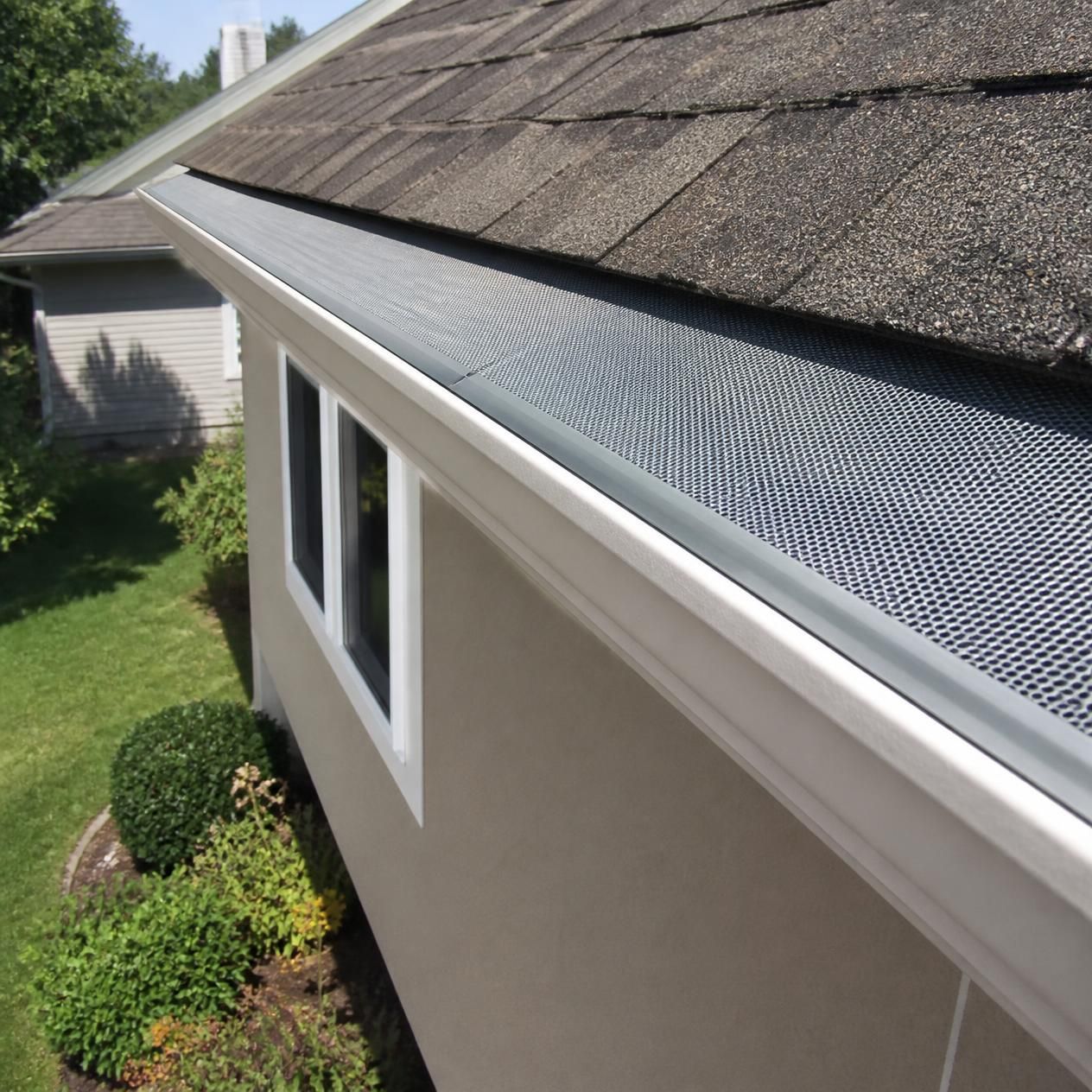
Gutter guards cover open gutter channels with perforated screens, solid covers with surface tension edges, or mesh systems that allow water entry while blocking leaves, pine needles, and seed pods that otherwise accumulate into water-blocking masses. Properties surrounded by oak, maple, or pine trees experience continuous debris input that clogs gutters within weeks of cleaning, creating overflow conditions during rainstorms and adding weight that stresses hangers until sagging develops. Gutter guards reduce cleaning frequency by preventing debris entry, maintaining water flow capacity throughout seasons when leaf drop peaks, and eliminating the standing water conditions where mosquitoes breed and algae grows in decomposing organic material. Pearson Roofing and Gutters evaluates Saint Leonard properties to recommend guard types based on existing gutter dimensions, roof pitch that affects water velocity at gutter entry points, and surrounding vegetation that determines primary debris types.
Installation secures guards to gutter edges using clips, screws, or adhesive depending on guard design and gutter material, positioning covers to maintain proper water entry angles while creating physical barriers that prevent debris penetration. Screen-type guards install beneath shingle edges to anchor firmly while allowing thermal expansion, and solid covers extend forward from fascia to create surface tension flow paths that separate leaves from water streams.
Schedule a consultation to determine if gutter guards match your property's drainage needs and maintenance preferences.
What You Notice Once Guards Are Installed
Guard installation transforms open gutters into covered channels where water enters through designed openings while debris accumulates on top of guard surfaces rather than inside gutter troughs. Different guard styles offer varying filtration approaches—micro-mesh systems block fine debris like roof grit and small seeds, louver designs use angled slits that separate water from leaves through directional flow, and reverse-curve guards rely on water adhesion to follow curved surfaces while debris falls away.
After installation, you'll notice fewer ladder trips for gutter cleaning, rainfall flowing through downspouts without the gurgling sounds that indicate blockages, and reduced overflow at gutter edges during storms that previously caused drainage problems. Debris accumulates on guard surfaces where seasonal storms and wind blow most material away naturally, and the remaining buildup brushes off easily during occasional maintenance that takes minutes instead of hours of interior gutter scooping.
Guards can be installed on
new gutter systems during initial setup or retrofitted onto existing gutters that are structurally sound, and professional installation accounts for roof pitch angles, shingle overhang distances, and gutter slope to maintain proper water capture without creating ice dam conditions during winter months. Recommendations consider whether surrounding tree types drop large leaves requiring wider guard openings or fine needles needing tight mesh filtration.
Questions Before Starting Your Project
Homeowners evaluating gutter guards typically need information about system types, maintenance expectations, and how guards perform with different debris conditions before making installation decisions.
What gutter guard type works best for properties with heavy tree coverage?
Micro-mesh guards handle fine debris like pine needles and seed helicopters that pass through larger screen openings, solid reverse-curve designs shed large leaf volumes that would pile on flat screens, and the choice depends on primary debris types observed during peak fall accumulation periods.
Do gutter guards eliminate all gutter maintenance requirements?
Guards reduce cleaning frequency significantly but do not eliminate maintenance entirely—debris accumulates on guard surfaces requiring occasional brushing, and small particles that pass through guards may still collect in gutter channels over extended periods requiring periodic flushing.
How do gutter guards affect water flow during heavy rainfall in Saint Leonard?
Properly installed guards maintain or improve flow by preventing blockages that restrict water movement, but guards must be sized appropriately for roof runoff volume and positioned to avoid water overshooting during intense downpours that occur during summer thunderstorms and tropical weather systems.
What happens during winter when ice forms on gutter guard surfaces?
Guard design affects ice formation patterns—solid covers may develop ice dams if ventilation is inadequate, mesh systems allow some ice penetration that can restrict flow, and heated guard options prevent freezing in vulnerable areas where winter drainage backup has historically occurred.
Can gutter guards be installed on existing gutters or only new systems?
Guards retrofit onto existing gutters provided the gutters are structurally sound with proper pitch and secure hanger attachment, though installation may reveal underlying gutter problems requiring repair before guards are added to ensure the full system functions correctly after guard placement.
Pearson Roofing and Gutters installs gutter guard systems on new and existing gutters throughout Saint Leonard, selecting guard types based on property-specific conditions and long-term performance requirements. Arrange an evaluation to discuss whether gutter guards offer the maintenance reduction and flow improvement your home's drainage system needs.